
Leadership communication trust is being tested in a world where words are easier than ever to produce but harder than ever to believe. As AI tools shape how leaders write and speak, audiences are no longer evaluating just the message—they’re evaluating the ownership behind it. When people can’t tell whether your words reflect your thinking or an algorithm’s output, trust begins to erode.
How do you lead when no one trusts the voice behind the words?
Today, words are easier than ever to produce and harder than ever to believe.
As AI becomes embedded in how leaders write and speak, we are witnessing a shift inside teams. Messages are more polished and more efficient…but people are finding them harder to trust. It’s not because the message is wrong, but because the ownership behind it is unclear.
This happened way before generative AI entered our world, and it’s actually an age-old leadership challenge.
AI doesn’t erode trust—a leader’s misuse of AI erodes trust. AI is exposing the leaders who never owned their voice to begin with.
When people can’t tell whether your message reflects your thinking or an AI’s output, their trust in you begins to erode. The erosion happens way before it shows up in performance metrics.
Every leader faces moments when someone in the room is deciding whether to believe them.
- When you enter a room after a difficult announcement
- When you speak up in a meeting to push back on the general consensus
- When you show up on camera and people can’t tell if the words are yours
Each of these are moments of leadership, regardless of your title, and they happen only seconds after you start to speak.
The fundamental question in each of those moments is the same:
Do you stand behind your words or not?
That’s where the work begins.
Until next week,
Allison
If you’re not sure whether your message truly sounds like you, here’s one way to find out.
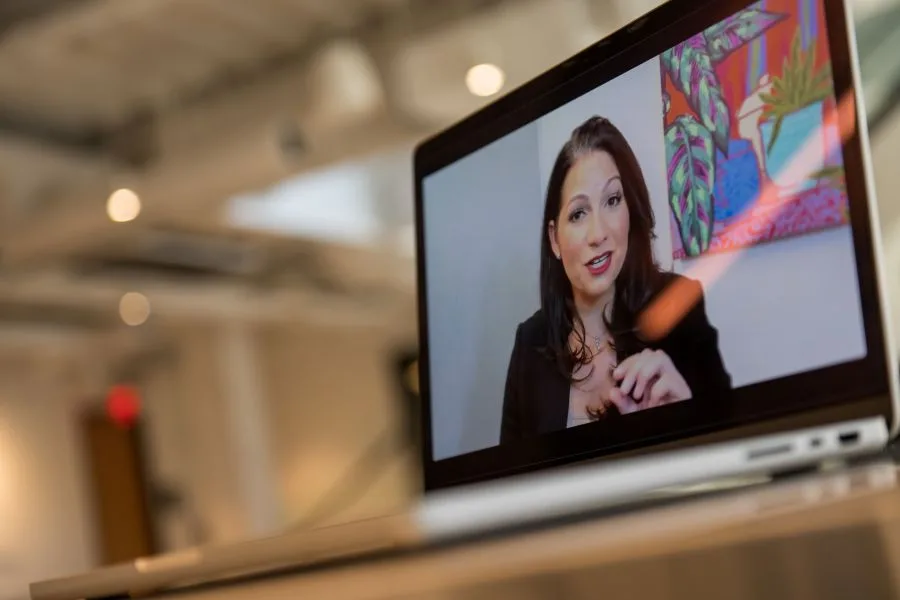
In this clip from my conversation with Andrew Temte on The Balancing Act Podcast, I share a practical approach for using AI as a mirror—so you can spot corporate jargon, strip away language that doesn’t sound like you, and communicate with greater authenticity.
Watch the clip →
This is the kind of work I do with leaders every day—helping them communicate in a way that sounds true to who they are, especially when the stakes are high.