
The cost of bad communication with AI
Poor communication already wastes time, money, and morale. As AI agents enter the workplace, unclear instructions will scale those costs faster than leaders expect.


Poor communication already wastes time, money, and morale. As AI agents enter the workplace, unclear instructions will scale those costs faster than leaders expect.

When you can’t see the summit, your team doesn’t need you to pretend that you can. Three communication practices can help you acknowledge uncertainty, clarify the next step, and give people confidence in the path forward.

The best in-person events create a shared energy that people carry with them long after they leave. Here’s how to design a meeting or conference that creates connection, engagement, and collective effervescence.

Your executive presence starts communicating before you speak. It shapes whether people trust you, pay attention, and believe what you have to say. Here are three ways to strengthen it from the inside out.

Intention and alignment matter even more in the age of AI. Both help leaders use AI without losing their authentic voice, core values, or the trust of the people they lead.

What does a lack of storytelling cost you? Leadership storytelling builds trust, increases buy-in, and helps people remember your message. Learn why every leader should build a library of stories for presentations, meetings, and client conversations.

Allison Shapira reflects on her 2026 induction into the CPAE Speaker Hall of Fame and shares the acceptance speech she delivered at the National Speakers Association’s annual conference.

Allison Shapira has been inducted into the National Speakers Association’s CPAE Speaker Hall of Fame, the speaking profession’s highest lifetime achievement honor, recognizing her contributions to executive communication and leadership.

One of the easiest ways to lose an audience is to make them work too hard to follow your thinking. In this article, you’ll learn how clear signposts, logical transitions, and purposeful audience engagement help people stay focused from beginning to end. Discover practical techniques—from stronger presentation structure to questions, stories, visuals, and movement—that make your message easier to follow, remember, and act on.
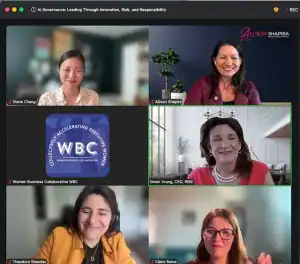
Communication is a governance tool. As organizations create AI policies, leaders must do more than make decisions—they must explain the thinking behind them. Here’s why communication determines whether governance earns trust, builds buy-in, and succeeds during periods of rapid change.
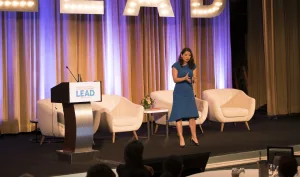
The smallest words in your vocabulary can have the biggest impact on how others perceive your leadership. Learn when hedging language is useful, when minimizers undermine your credibility, and how connecting with your purpose helps you communicate with greater conviction.

At an AI conference earlier this year, I found myself questioning whether I believed a speaker from a Fortune 50 company. During lunch, I discovered someone else felt the same way—but for a completely different reason. That conversation revealed something important: believability is far more complex than we realize. As leaders navigate an era of AI-generated communication, understanding what makes people believe you may be one of the most important leadership skills of all.